
[vc_row][vc_column][vc_column_text css=””]Yes. Chewing each mouthful 20 to 30 times breaks food into particles small enough for your gut to work with, mixes it with the digestive enzymes in saliva, and signals the stomach and pancreas to prepare. People who chew thoroughly report less bloating and reflux, absorb more nutrients from the same food, and place less strain on their jaw joints and teeth.
How many times should you chew each mouthful?
The figure most often quoted is 32 chews per mouthful, one for each adult tooth. It is a memorable number with no research behind it. A more useful guide is texture. Keep chewing until the food has no recognisable structure left and has become a smooth paste that swallows without effort.
For most people that lands somewhere between 20 and 30 chews. The tougher the food, the higher the count.[/vc_column_text][vc_raw_html css=””]JTNDdGFibGUlMjBzdHlsZSUzRCUyMmZvbnQtZmFtaWx5JTNBJTIwaW5oZXJpdCUzQiUyMGZvbnQtc2l6ZSUzQSUyMGluaGVyaXQlM0IlMjBib3JkZXItY29sbGFwc2UlM0ElMjBjb2xsYXBzZSUzQiUyMHdpZHRoJTNBJTIwMTAwJTI1JTNCJTIwY29sb3IlM0ElMjAlMjMwMDAwMDAlM0IlMjB0ZXh0LWFsaWduJTNBJTIwbGVmdCUzQiUyMiUzRSUwQSUyMCUyMCUzQ3RoZWFkJTNFJTBBJTIwJTIwJTIwJTIwJTNDdHIlMjBzdHlsZSUzRCUyMmJvcmRlci1ib3R0b20lM0ElMjAycHglMjBzb2xpZCUyMCUyMzAwMDAwMCUzQiUyMiUzRSUwQSUyMCUyMCUyMCUyMCUyMCUyMCUzQ3RoJTIwc3R5bGUlM0QlMjJib3JkZXIlM0ElMjAxcHglMjBzb2xpZCUyMCUyMzAwMDAwMCUzQiUyMHBhZGRpbmclM0ElMjA4cHglM0IlMjB0ZXh0LWFsaWduJTNBJTIwbGVmdCUzQiUyMiUzRUZvb2QlMjB0eXBlJTNDJTJGdGglM0UlMEElMjAlMjAlMjAlMjAlMjAlMjAlM0N0aCUyMHN0eWxlJTNEJTIyYm9yZGVyJTNBJTIwMXB4JTIwc29saWQlMjAlMjMwMDAwMDAlM0IlMjBwYWRkaW5nJTNBJTIwOHB4JTNCJTIwdGV4dC1hbGlnbiUzQSUyMGxlZnQlM0IlMjIlM0VTdWdnZXN0ZWQlMjBjaGV3cyUyMHBlciUyMG1vdXRoZnVsJTNDJTJGdGglM0UlMEElMjAlMjAlMjAlMjAlM0MlMkZ0ciUzRSUwQSUyMCUyMCUzQyUyRnRoZWFkJTNFJTBBJTIwJTIwJTNDdGJvZHklM0UlMEElMjAlMjAlMjAlMjAlM0N0ciUzRSUwQSUyMCUyMCUyMCUyMCUyMCUyMCUzQ3RkJTIwc3R5bGUlM0QlMjJib3JkZXIlM0ElMjAxcHglMjBzb2xpZCUyMCUyMzAwMDAwMCUzQiUyMHBhZGRpbmclM0ElMjA4cHglM0IlMjB0ZXh0LWFsaWduJTNBJTIwbGVmdCUzQiUyMiUzRSUzQ3N0cm9uZyUzRVNvdXAlMkMlMjB5b2dodXJ0JTJDJTIwc29mdCUyMHJpcGUlMjBmcnVpdCUzQyUyRnN0cm9uZyUzRSUzQyUyRnRkJTNFJTBBJTIwJTIwJTIwJTIwJTIwJTIwJTNDdGQlMjBzdHlsZSUzRCUyMmJvcmRlciUzQSUyMDFweCUyMHNvbGlkJTIwJTIzMDAwMDAwJTNCJTIwcGFkZGluZyUzQSUyMDhweCUzQiUyMHRleHQtYWxpZ24lM0ElMjBsZWZ0JTNCJTIyJTNFNSUyMHRvJTIwMTAlM0MlMkZ0ZCUzRSUwQSUyMCUyMCUyMCUyMCUzQyUyRnRyJTNFJTBBJTIwJTIwJTIwJTIwJTNDdHIlM0UlMEElMjAlMjAlMjAlMjAlMjAlMjAlM0N0ZCUyMHN0eWxlJTNEJTIyYm9yZGVyJTNBJTIwMXB4JTIwc29saWQlMjAlMjMwMDAwMDAlM0IlMjBwYWRkaW5nJTNBJTIwOHB4JTNCJTIwdGV4dC1hbGlnbiUzQSUyMGxlZnQlM0IlMjIlM0UlM0NzdHJvbmclM0VDb29rZWQlMjB2ZWdldGFibGVzJTJDJTIwZmlzaCUyQyUyMHNjcmFtYmxlZCUyMGVnZ3MlM0MlMkZzdHJvbmclM0UlM0MlMkZ0ZCUzRSUwQSUyMCUyMCUyMCUyMCUyMCUyMCUzQ3RkJTIwc3R5bGUlM0QlMjJib3JkZXIlM0ElMjAxcHglMjBzb2xpZCUyMCUyMzAwMDAwMCUzQiUyMHBhZGRpbmclM0ElMjA4cHglM0IlMjB0ZXh0LWFsaWduJTNBJTIwbGVmdCUzQiUyMiUzRTE1JTIwdG8lMjAyMCUzQyUyRnRkJTNFJTBBJTIwJTIwJTIwJTIwJTNDJTJGdHIlM0UlMEElMjAlMjAlMjAlMjAlM0N0ciUzRSUwQSUyMCUyMCUyMCUyMCUyMCUyMCUzQ3RkJTIwc3R5bGUlM0QlMjJib3JkZXIlM0ElMjAxcHglMjBzb2xpZCUyMCUyMzAwMDAwMCUzQiUyMHBhZGRpbmclM0ElMjA4cHglM0IlMjB0ZXh0LWFsaWduJTNBJTIwbGVmdCUzQiUyMiUzRSUzQ3N0cm9uZyUzRVJpY2UlMkMlMjBwYXN0YSUyQyUyMGJyZWFkJTJDJTIwcG90YXRvJTNDJTJGc3Ryb25nJTNFJTNDJTJGdGQlM0UlMEElMjAlMjAlMjAlMjAlMjAlMjAlM0N0ZCUyMHN0eWxlJTNEJTIyYm9yZGVyJTNBJTIwMXB4JTIwc29saWQlMjAlMjMwMDAwMDAlM0IlMjBwYWRkaW5nJTNBJTIwOHB4JTNCJTIwdGV4dC1hbGlnbiUzQSUyMGxlZnQlM0IlMjIlM0UyMCUyMHRvJTIwMjUlM0MlMkZ0ZCUzRSUwQSUyMCUyMCUyMCUyMCUzQyUyRnRyJTNFJTBBJTIwJTIwJTIwJTIwJTNDdHIlM0UlMEElMjAlMjAlMjAlMjAlMjAlMjAlM0N0ZCUyMHN0eWxlJTNEJTIyYm9yZGVyJTNBJTIwMXB4JTIwc29saWQlMjAlMjMwMDAwMDAlM0IlMjBwYWRkaW5nJTNBJTIwOHB4JTNCJTIwdGV4dC1hbGlnbiUzQSUyMGxlZnQlM0IlMjIlM0UlM0NzdHJvbmclM0VSZWQlMjBtZWF0JTJDJTIwcmF3JTIwdmVnZXRhYmxlcyUyQyUyMG51dHMlMkMlMjBzZWVkcyUzQyUyRnN0cm9uZyUzRSUzQyUyRnRkJTNFJTBBJTIwJTIwJTIwJTIwJTIwJTIwJTNDdGQlMjBzdHlsZSUzRCUyMmJvcmRlciUzQSUyMDFweCUyMHNvbGlkJTIwJTIzMDAwMDAwJTNCJTIwcGFkZGluZyUzQSUyMDhweCUzQiUyMHRleHQtYWxpZ24lM0ElMjBsZWZ0JTNCJTIyJTNFMzAlMjB0byUyMDQwJTNDJTJGdGQlM0UlMEElMjAlMjAlMjAlMjAlM0MlMkZ0ciUzRSUwQSUyMCUyMCUzQyUyRnRib2R5JTNFJTBBJTNDJTJGdGFibGUlM0U=[/vc_raw_html][vc_column_text css=””]
What happens when you chew properly
Digestion begins in the mouth, and skipping that stage puts the workload on organs that were never designed to carry it.
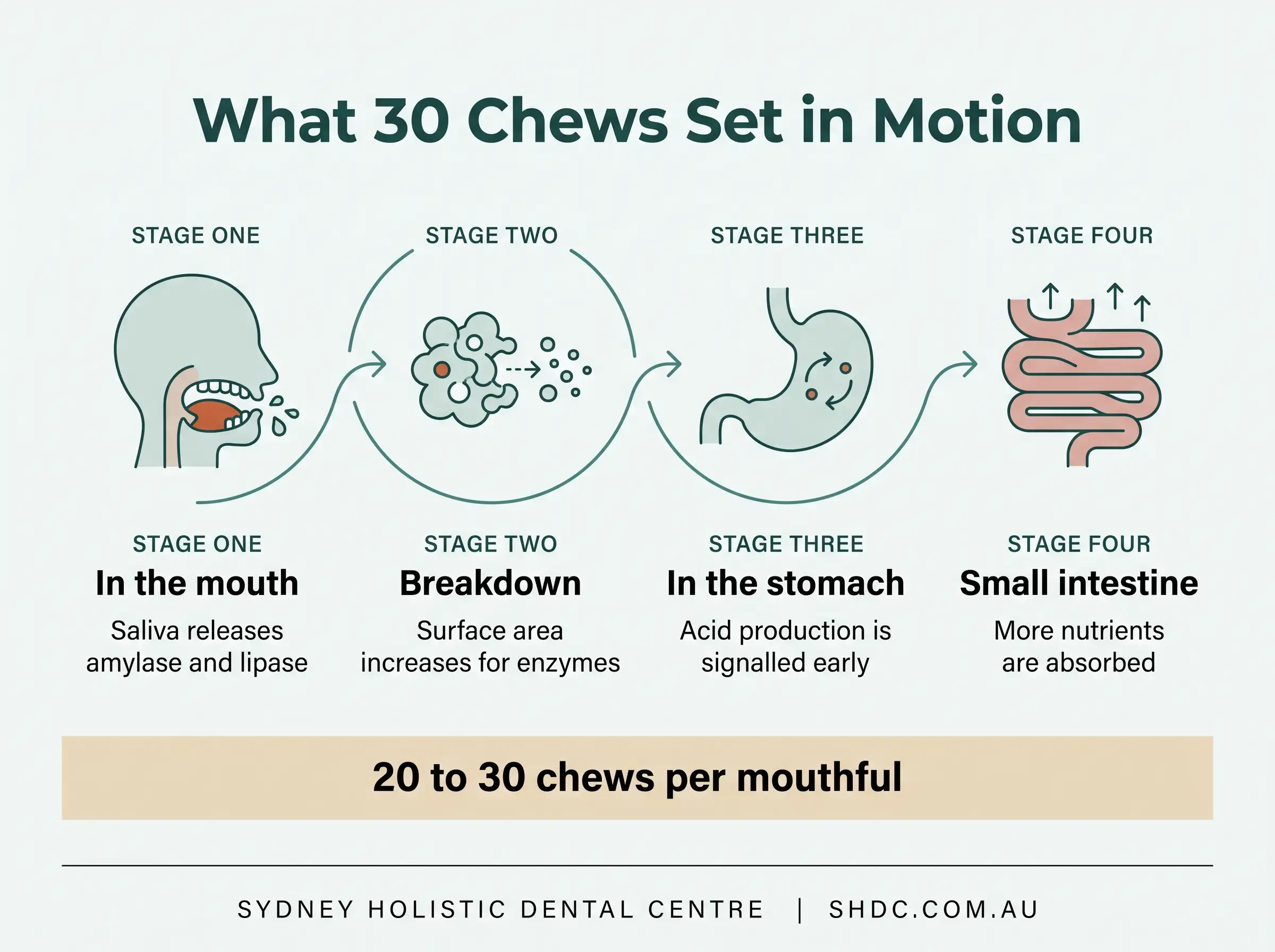
Mechanical breakdown. Chewing increases the surface area of every mouthful, which is what allows digestive enzymes further down the tract to reach the food at all. Large swallowed pieces pass through partially undigested.
Enzyme release. Saliva contains amylase, which begins breaking down starch, and lingual lipase, which starts on fats. Both need time in the mouth to work. Swallowing quickly wastes them.
Signalling. The act of chewing tells the stomach to produce acid, the pancreas to release enzymes and the gallbladder to prepare bile. The longer you chew, the better prepared the rest of the system is.
Appetite regulation. The signal that you have eaten enough takes about twenty minutes to register. Eating slowly enough for that signal to arrive is one of the simplest ways to avoid overeating.
Jaw and tooth health. Chewing is exercise for the jaw and stimulates saliva flow, which is your mouth’s primary defence against decay and acid erosion. Soft, processed food gives the jaw very little to do.
Five practical steps to chew better
Step 1. Put the cutlery down between mouthfuls. This single habit does more than any deliberate counting.
Step 2. Eat with no screen in front of you. Digestion runs in the parasympathetic state, and a screen keeps you in the sympathetic one.
Step 3. Count your chews for the first three mouthfuls of each meal. After a week the pace becomes automatic and the counting can stop.
Step 4. Take smaller mouthfuls. A smaller volume of food is far easier to chew completely.
Step 5. Swallow only when the food has no texture left. Let texture set the rule.
When your teeth make chewing difficult
Advice about chewing thoroughly assumes a mouth that can do it. Many people cannot, and they have adapted without realising.
Missing back teeth remove most of your grinding surface. A painful or clicking jaw joint makes people chew on one side or take smaller, faster mouthfuls. A bite that does not meet evenly, sensitive teeth, and ill-fitting dentures all push people toward softer food and quicker swallowing.
If you have found yourself avoiding steak, apples, nuts or crusty bread, that is worth investigating. Restoring the ability to chew properly changes what you can eat, and therefore what you can absorb.
The mouth is the first stage of digestion. Breaking down food and mixing it with some enzymes aids in what is to follow. The main purpose of eating is to consume and absorb the nutrients our bodies need to stay healthy. Chewing your food well will support your digestion.
A full complement of teeth, well-aligned with healthy saliva flow and healthy jaw joints are also central to achieving the optimal first step for digestion.
The physical process of chewing food in your mouth helps to break down larger particles of food into smaller particles, increasing the surface area and making it easier for nutrients to be broken down for absorption.
Chewing helps to reduce stress on the oesophagus and helps the stomach metabolise and break down your food. Saliva also contains digestive enzymes that are released when chewing which assists with digestion. Your mouth releases these enzymes that pass into the throat and stomach which further improves the digestive process.
Throughout the chewing process, the body undergoes several processes that trigger digestion. Digestion is one of the most energy-consuming processes of the body, so chewing your food well helps prepare the rest of the body.
How chewing protects you from harmful bacteria
Chewing also reduces the risk of bacterial overgrowth – lumps of food that aren’t broken down properly can cause bacterial overgrowth in the colon, which leads to indigestion, bloating, flatulence and constipation.
Chewing your food sends messages to the gastrointestinal system that food is on its way. This triggers hydrochloric acid production in the stomach, helping food move through the digestive tract. Chewing food thoroughly also helps relax the stomach by releasing saliva and allows the food to be passed efficiently into the intestines. This occurs once the stomach has done its work to break down proteins.
Apart from improving digestion and the absorption of nutrients, chewing your food longer also has the benefit of giving your body a chance to process the fact that you are eating and consuming food. It has a positive impact on controlling weight gain.
Why most people do not chew enough
- Impatience & stress!
The most obvious is if you are in a hurry. Eating food “on the run”, in a rush or while stressed is a bad idea. If you eat while you are stressed, the part of our autonomic nervous system called the sympathetic nervous system – the ‘fight-and-flight’ reaction – also reduces blood flow to the digestive tract, so you are less likely to absorb the nutrients. - Poor Bite
Missing teeth and/or teeth that are poorly aligned reduce your ability to chew effectively. While this is not something people are usually conscious of, it just doesn’t feel right and subconsciously, is not an easy or pleasant feeling so eating quickly is an easy way out. Compare the two sets of teeth from patients to see which would be easier to eat with.
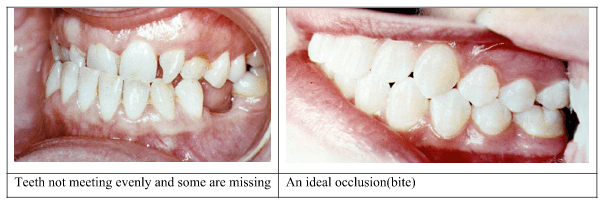
- Jaw joints
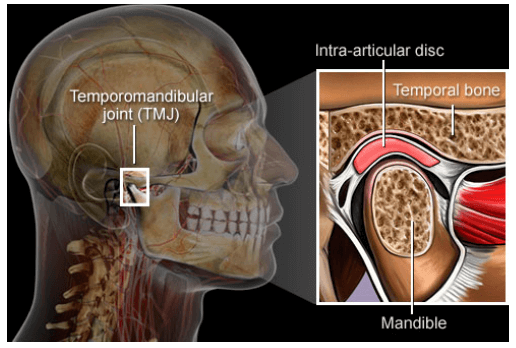
The temporomandibular or jaw joint is located just in front of the middle ear and separates the jaw bone (mandible) from the skull (temporal bone). What separates these bones is a disc, a pressure bearing structure that is ideal for taking a load, free of nerves or blood vessels. A clicking jaw joint indicates that the disc is out of place and the click you hear when opening or chewing is the sound of the disc actually going into and out of place. People are aware of it as a ’clicking jaw joint’ and it is referred to as an “anteriorly displaced disc with reduction” (i.e., the disc displacement is reduced or goes into place, but only momentarily). When a disc is out of place, as you chew there can be compensations made and one of those may be to eat quickly before the jaw gets too tired.
- Mouth breathing
Noses are for breathing BUT if you are a mouth-breather then this can create a ‘problem’ when you eat. It is socially unacceptable to eat with your mouth open; poor form to say the least. Ideally, you should breathe 8-12 breaths per minute through your nose, which is not only good for your general health but also allows you to chew food slowly.
If you are a mouth-breather and have difficulty breathing through your nose and still want to maintain friendships while you eat, then wolfing the food down so that you can breathe without a mouthful of food may be the solution! This is not ideal. - Worn teeth
The shape of the tooth and the way the upper and lower teeth meet makes for an extremely effective cutting or masticatory tool.
So, a well-functioning, well-balanced masticatory system, otherwise known as your mouth is an essential first step in good chewing and good digestion.
Often the appearance of the teeth and mouth can give a clue as to underlying digestive problems, like indigestion, reflux and heartburn.
Chewing your food from an early age, together with consuming a nutrient-dense diet is vital for creating enough space for all of the 32 teeth we have evolved to have – 16 teeth in the upper jaw; 16 teeth in the lower jaw.
The size and shape of your mouth determine the size and shape of your upper airway, which in turn affects your ability to breathe well and sleep well.[/vc_column_text][/vc_column][/vc_row][vc_row][vc_column][vc_column_text css=””]
Struggling to chew comfortably?
Missing teeth, a sore jaw joint or an uneven bite all change how you eat, and most people adapt without noticing. A holistic dental examination at SHDC assesses your teeth, jaw joints and bite together. Book a consultation at Sydney Holistic Dental Centre on (02) 9221 5800.
Frequently asked questions
Q. How many times should you chew your food?
A. Between 20 and 30 chews per mouthful suits most foods. Soft foods such as soup and yoghurt need only 5 to 10, while red meat, nuts and raw vegetables can need 30 to 40. Texture is the better guide than any fixed number. Swallow when the food has become a smooth paste with no recognisable structure left.
Q. Does chewing more really help digestion?
A. Yes. Chewing increases the surface area available to digestive enzymes, mixes food with salivary amylase and lingual lipase, and signals the stomach, pancreas and gallbladder to prepare. Food that arrives in the stomach in large pieces takes longer to break down and is more likely to ferment, which produces gas and bloating.
Q. Does chewing more help with bloating?
A. It often does. Bloating is frequently the result of undigested food fermenting in the gut and air swallowed while eating quickly. Chewing thoroughly reduces both. Anyone with persistent bloating should also have it assessed medically, since several other causes are possible.
Q. Can chewing more help you lose weight?
A. Eating slowly gives the fullness signal the twenty minutes it needs to reach the brain, so people who chew thoroughly tend to finish eating sooner and consume less at a sitting. Several studies have observed lower energy intake among slower eaters. It works best as one habit within a broader approach.
Q. Why is chewing important for your teeth?
A. Chewing stimulates saliva, and saliva neutralises acid, washes away food particles and delivers the minerals that repair early enamel damage. It also exercises the jaw and the supporting bone. A diet of soft, processed food gives the jaw very little work and reduces saliva flow.
Q. What happens if you do not chew your food properly?
A. Larger particles reach the stomach and intestine, where they are harder to break down and more likely to ferment, producing gas, bloating and discomfort. Nutrient absorption falls. Eating quickly also increases swallowed air and makes overeating more likely, and long term it reduces the saliva flow that protects your teeth.[/vc_column_text][/vc_column][/vc_row]