Level 17, 111 Elizabeth Street, Sydney NSW 2000
Level 17, 111 Elizabeth Street, Sydney NSW 2000
Holistic Treatment · Airway-Focused Dentistry
Noses are for breathing; mouths are for eating. Nasal breathing filters, warms and humidifies every breath, produces nitric oxide that supports the airways and circulation, and keeps the tongue resting on the palate where it belongs, supporting normal jaw development. Habitual mouth breathing bypasses all of it, and its fingerprints show up in the dental chair as dry mouth, inflamed gums, crowded teeth and disrupted sleep. The encouraging part: breathing is a habit, and habits can be retrained at any age.
Patient and Dentist Consultation

Filters
Nasal hairs and mucosa trap dust, pollen and microbes before they reach the lungs.
Conditions
Air arrives at the lungs warmed and humidified, which airways tolerate far better than cold dry air.
Produces nitric oxide
The nasal sinuses generate this signalling molecule, which supports oxygen uptake and has antimicrobial properties.
Regulates pace
Nasal breathing is naturally slower and diaphragmatic, engaging the lungs efficiently rather than shallowly.
Positions the tongue
With lips closed, the tongue rests on the palate, gently maintaining the width of the upper jaw. It is nature's own orthodontic appliance.
Air moving constantly over the teeth and gums dries the mouth, and saliva is the mouth's defence system: it buffers acids, washes bacteria away and repairs early enamel damage. Mouth breathers show more decay, more gum inflammation and more bad breath for the same brushing effort. In children, the dropped tongue posture is associated with narrow upper jaws and dental crowding, an association supported by a 2021 systematic review of facial skeletal development in mouth-breathing children (Zhao et al., BMC Oral Health).
Mouth breathing is shallower and faster, recruits the upper chest rather than the diaphragm, and is associated with a forward head posture that loads the neck and jaw muscles. At night an open mouth destabilises the airway, feeding the snoring and disturbed sleep story told across this hub. Daytime fatigue, poor concentration and morning dry mouth are the pattern patients recognise once someone finally names it.

"In sport we obsessed over training loads and recovery, and nobody asked how anyone breathed. Dentistry is the same: we can rebuild the teeth beautifully and still miss the open mouth that is quietly undoing the work. Checking how a patient breathes costs nothing and changes everything downstream."
DR LEWIS EHRLICH — PRINCIPAL DENTIST
Image of Lewis

Do you wake with a dry mouth or dry lips?
Are your lips apart when you are concentrating, reading or watching television?
Do you wake during the night, or wake unrefreshed?
For your child: open mouth at rest, snoring, restless sleep, a wet pillow, or teachers commenting on attention?
Two or more of these is a conversation worth having at your next consultation.
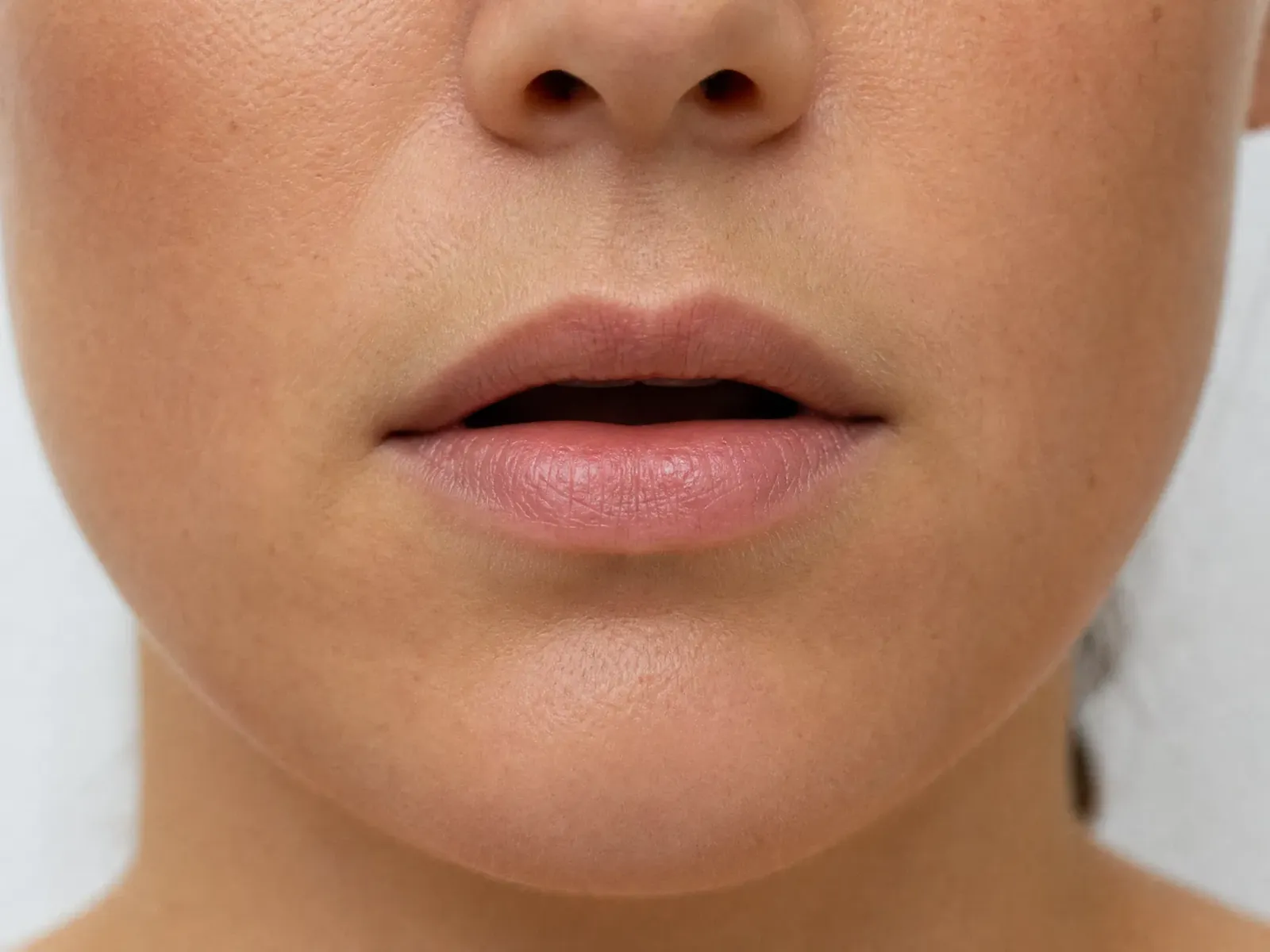
First we find out why the mouth is open. Some patients cannot breathe through the nose comfortably (allergies, a deviated septum, enlarged adenoids in children), and no amount of willpower retrains a blocked nose, so those patients see an ENT or allergist first, on our referral. For the rest, mouth breathing is a habit, and we treat it like one.

Awareness and simple retraining exercises
Restore nasal breathing and correct tongue resting posture, with practical techniques for daytime and night.
Myofunctional therapy
Structured exercises that strengthen and repattern the tongue, lips and facial muscles. In children this pairs with Myobrace appliances to guide growth while the habit changes.
Treating the co-conspirators
Splints where night grinding is part of the picture, and the full sleep pathway where screening points that way.
Review as part of your ongoing care
Because habits change with reinforcement, not with a single pamphlet.
For Parents, Especially
The earlier an open-mouth habit is addressed, the more of the correction growth itself can do. A child assessed at five with a mouth-breathing habit, treated with breathing retraining and myofunctional support, may develop the jaw space that spares them extractions and complex orthodontics at fourteen. That possibility is why we assess every child's breathing as part of routine care, and why the Kids Airway Assessment exists.
MOUTH BREATHING IN CHILDRENChild Consultation Image
Can adults really retrain their breathing?
Yes. The reflexes respond to consistent practice at any age. Adults usually notice the difference first at night: less dry mouth, quieter sleep, waking fresher. What differs with age is that adult jaws have finished growing, so structural change belongs to childhood, and habit change belongs to everyone.
Is taping my mouth at night a good idea?
Not as a first step, and not before the nose is confirmed clear and sleep apnoea has been excluded; taping over an undiagnosed airway problem is unsafe. Screening first, then technique, under advice.
Will fixing mouth breathing straighten my child's teeth?
It removes a force that drives crowding, and paired with myofunctional therapy it can reduce future orthodontic need; published evidence supports the association between mouth breathing and altered facial development. It is prevention with a strong rationale rather than a guarantee, and we frame it exactly that way.
A comprehensive new patient consultation includes airway and breathing assessment as standard. Book and we will look at the whole picture.
Lewis image
Dr Lewis Ehrlich
Principal Dentist
Dr Lewis Ehrlich is principal dentist at Sydney Holistic Dental Centre. His clinical focus includes airway-focused dentistry, sleep and breathing assessment, and holistic approaches to oral and systemic health.